KENYA 2026 FLOODS EXPOSES DEEP STRUCTURAL AND URBAN PLANNING FAILURES.
KENYA 2026 FLOODS EXPOSES DEEP STRUCTURAL AND URBAN PLANNING FAILURES.


Kenya has once again revealed the countries growing vulnerability to climate related disasters. More importantly they have exposed long standing weaknesses in urban planning and infrastructural development. What began as heavy seasonal rainfall in March quickly escalated to a national wide crisis, affecting over 30 counties with Nairobi being the capital city and being the hardest hit urban center.
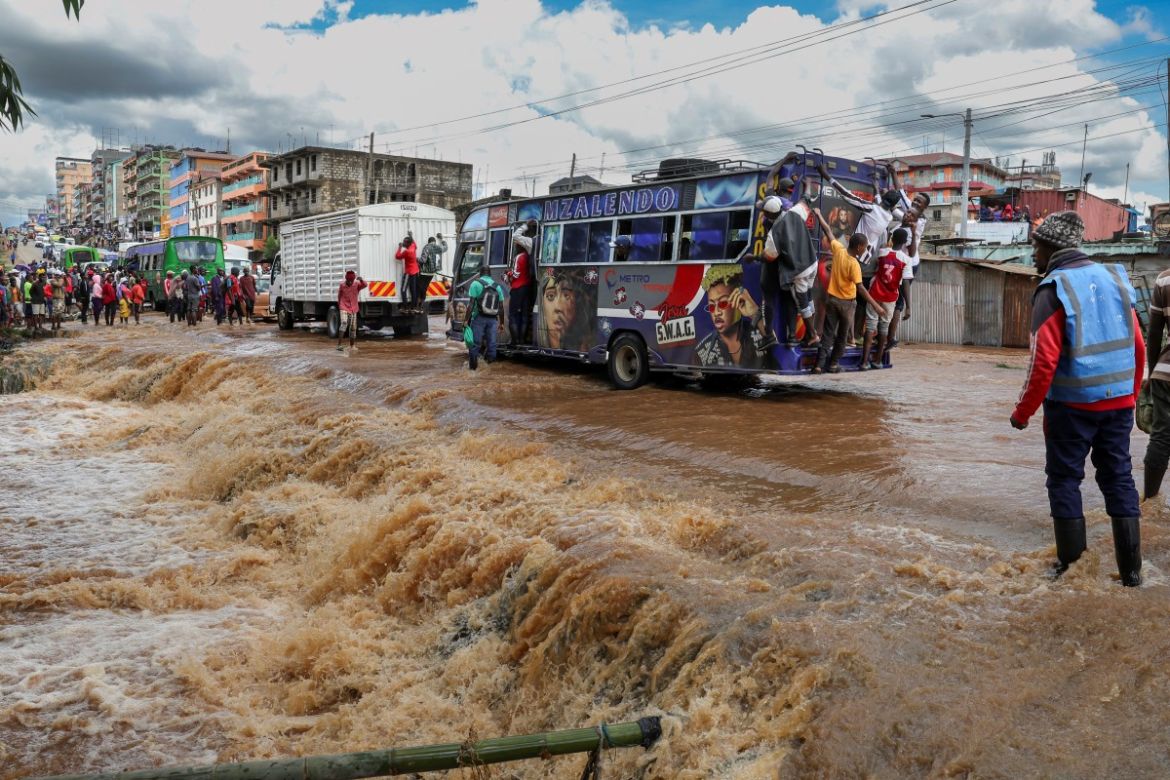
In Nairobi scenes of flooded highways , submerged residential areas and stranded commuters became widespread. Roads such as Waiyaki Way and Jogoo road turned impassable while drainage system failed to manage moderate volumes of runoff . This situation clearly shows that rain fall alone is not the main problem but poor infrastructure is a major contributing factor.

The floods resulted in loss of lives , displacement of people , disruption of homes and businesses. Informal settlements such as Mathare and Mukuru were the most affected due to them being located near riverbanks and their limited access to proper drainage and sanitation systems. However the floods also affected middle income areas showing that the problem goes beyond poverty and reflects broader urban planning failures.

https://cdn.tuko.co.ke/images/1120/abead04e33835694.jpeg?v=1
A major concern is the Nairobi’s drainage system much of which dates back to the colonial period. It was designed for much smaller population and lower levels of urban development, overtime the city has expanded rapidly but the drainage system has not . As a result drainage channels overwhelmed, blocked and poorly maintained leading to frequent flooding.
Experts argue that Kenya’s urban infrastructure has not kept up with the changing times and growing population . Increased rainfall requires more efficient and modern drainage systems . However investment in such infrastructure has remained limited and inconsistent.
Although the government responded through emergency rescue measures and relief efforts these measures were largely reactive rather than preventive . There is still a lack of long term planning that focuses on urban resilience and climate adaptation.
These floods should not be treated as an isolated incident . Instead they reflect a boarder pattern of climate variability. Without urgent reforms in urban planning and infrastructure cities like Nairobi will continue to struggle and many lives will be lost due to negligence.
By : SALMA MOHAMMED



Quite an informative piece
ReplyDeleteThis should be a wake-up call for both leaders and citizens to prioritize sustainable urban planning and accountability before more lives are lost
ReplyDeleteAfter reading this I will choose where I stay carefully
ReplyDeleteNice article
ReplyDeleteAlways cheap is expensive...
ReplyDeleteWell said 👏.
ReplyDeleteThe government should establish drainage systems. Nice article fatma
ReplyDeletesurely we can do better as a country
ReplyDelete